

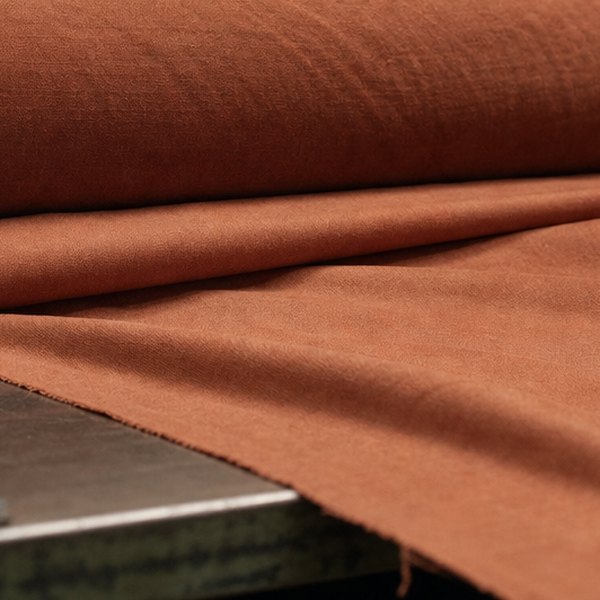
Cast your mind back a couple of years and think about how many things turned terracotta at once. Your sister's new kitchen tiles. The throw your colleague mentioned from H&M. Those chunky mule sandals that appeared in literally every shop window in March. It felt like collective consciousness, like everyone simply arrived at the same warm, dusty orange at the same moment, the way people simultaneously decide it's finally cold enough for a coat. Spontaneous. Organic. A mood.
It wasn't, though. Not even slightly.
The Colour Marketing Group
There is a body called the Colour Marketing Group, which has been running since 1962. They meet twice a year – once in spring, once in autumn – in a room full of designers, trend analysts, and colour specialists from industries you'd never think to put in the same building: automotive, fashion, cosmetics, packaging, interiors. They look at economic forecasts. At social anxieties. At what people are clicking on and gravitating towards. And then they vote. Collectively. On a palette. The colours they settle on will begin appearing in shops roughly two years later, after the decision has quietly rippled outward to fabric mills, paint manufacturers, and packaging suppliers, all of whom need serious lead time to make the change.
By the time terracotta arrived on your high street looking like a happy accident, it had already been a spreadsheet decision.
Why do rival high street shops launch identical shades?
This is how it actually travels. A colour gets seeded upstream first: into the fabric orders that fashion houses place a year and a half ahead, into the Pantone swatches that packaging designers use to brief their printers, into the paint ranges that go into catalogues. Each industry picks it up on its own schedule, which is why terracotta hit womenswear and homeware almost simultaneously – they were both handed the same forecast from the same upstream source and worked to similar lead times. What arrives in the shops looks like the whole culture spontaneously changing its mind. What it is, is a very efficient supply chain arriving on schedule.
It's not unlike how a dish like Nigerian-Mexican fusion food seems to materialise from nowhere out of the street food scene. An apparently organic collision of jollof rice sensibility and taco format, until you look a little closer and find that trend forecasters in the food industry were noting the rise of West African cuisine in urban centres two years before it showed up on a menu near you. The street is real. The spontaneity is largely managed.
Can a forecast fail if shoppers reject the colour?
None of this makes terracotta less nice on a kitchen shelf, or means the person who chose it was somehow tricked. Plenty of genuinely considered things go into which colours land and which ones don't – a colour that gets voted forward but doesn't resonate emotionally simply dies quietly in the clearance rail. The forecasters are good, but they are reading us as much as directing us.
Still, next time you reach for something in a rich earthy red and think "I just love this colour right now" – someone in a meeting decided you probably would, about two years ago.
Questions this raises
- How far ahead does the Colour Marketing Group work?
- Who actually pays for colour forecasting reports?