
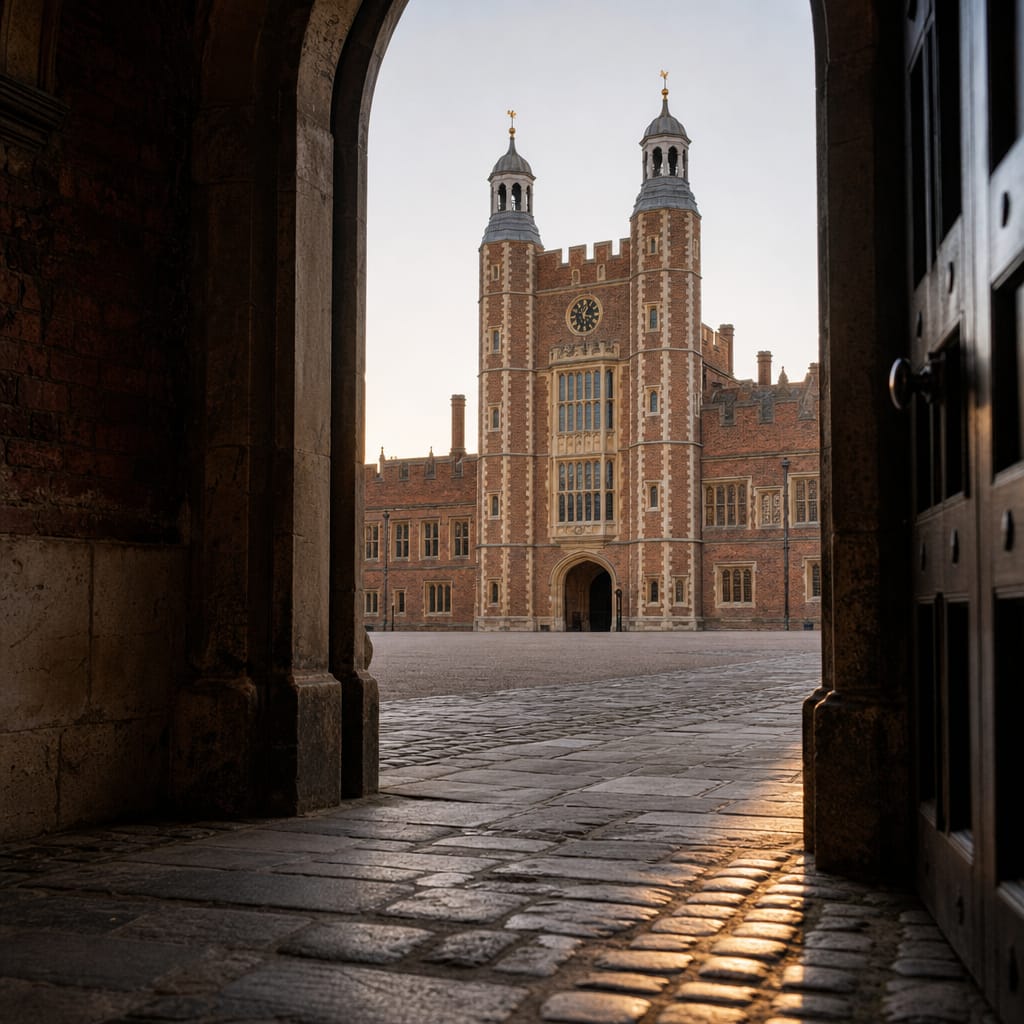

Walk past a school like Eton or Harrow and you might wonder what, exactly, you are paying for. Teachers, buildings, playing fields, a Latin master who still uses a leather-bound register – fine, all of that costs money. But spend a bit of time looking at how these fees actually move and you start to suspect the price has drifted a very long way from what anything costs to provide.
Fees Have Trebled in Real Terms
Private school fees in Britain have roughly trebled in real terms since the 1980s. That is a long way ahead of inflation, a long way ahead of teacher salaries. About as far ahead of building costs as you can reasonably get. Something else is doing the driving.
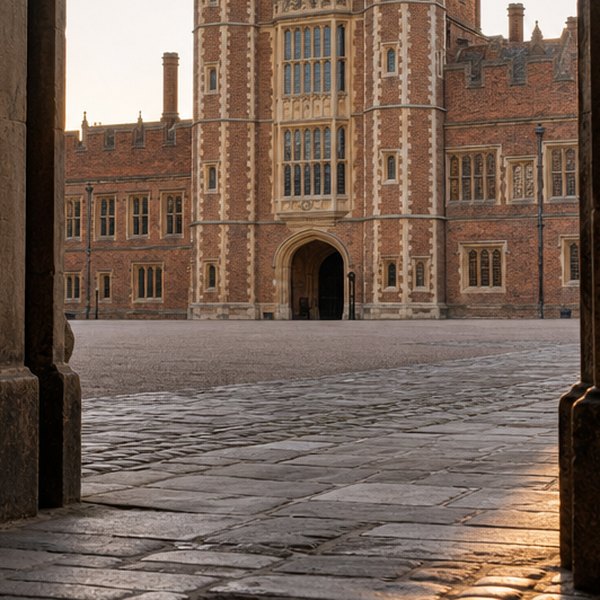
Why have private school fees risen so far above inflation?
Here is what that something else looks like in practice. Eton announces a fee rise. The parents who can afford Eton largely absorb it, because pulling your child out of Eton the moment the price goes up is not really a signal you want to send. Now Harrow's bursar is watching. If Harrow costs less than Eton, people might draw an obvious conclusion. So Harrow's fees go up too – not because Harrow's costs went up, but because Eton's price went up. The schools in the tier just below watch Harrow, and so it rolls down the ladder. Each institution pricing itself against the one above rather than against the actual spreadsheet of what it costs to run a school.
Priced Like a Handbag, Not a Plumber
This is not how a plumber quotes a job. It is exactly how a luxury brand sets the price of a handbag. Chanel does not price a bag by calculating leather and labour and adding a sensible margin. It prices the bag at whatever keeps it feeling like Chanel. A cheaper bag would be worse for business, even if it cost the same to make. The fee is not a charge. It is a signal.
The awkward implication is this: a school lowering its fees would, by the logic of this market, be read as a school quietly admitting it belongs further down the ladder. Parents who are paying partly for the social proof of the number on the invoice would notice immediately. The fee rise, then, is almost its own product – separate from the education, functioning as a yearly reminder that this particular institution is still holding its place in the hierarchy.
Why Nobody Publishes the Breakdown
This is also why transparency about costs tends not to happen. If Eton published a detailed breakdown showing that the actual per-pupil cost of delivery was twenty thousand pounds and it charges forty-five thousand, the surplus would require explaining. Far easier to let the number speak for itself, in the way that luxury numbers are supposed to: not as an account of value but as a statement of position.
The education might be excellent. Often it is. But the price? The price is playing a completely different game.
Questions this raises
- Do smaller private schools charge much less than Eton?
- How does VAT on school fees change things?
- Is a private education still worth the money?