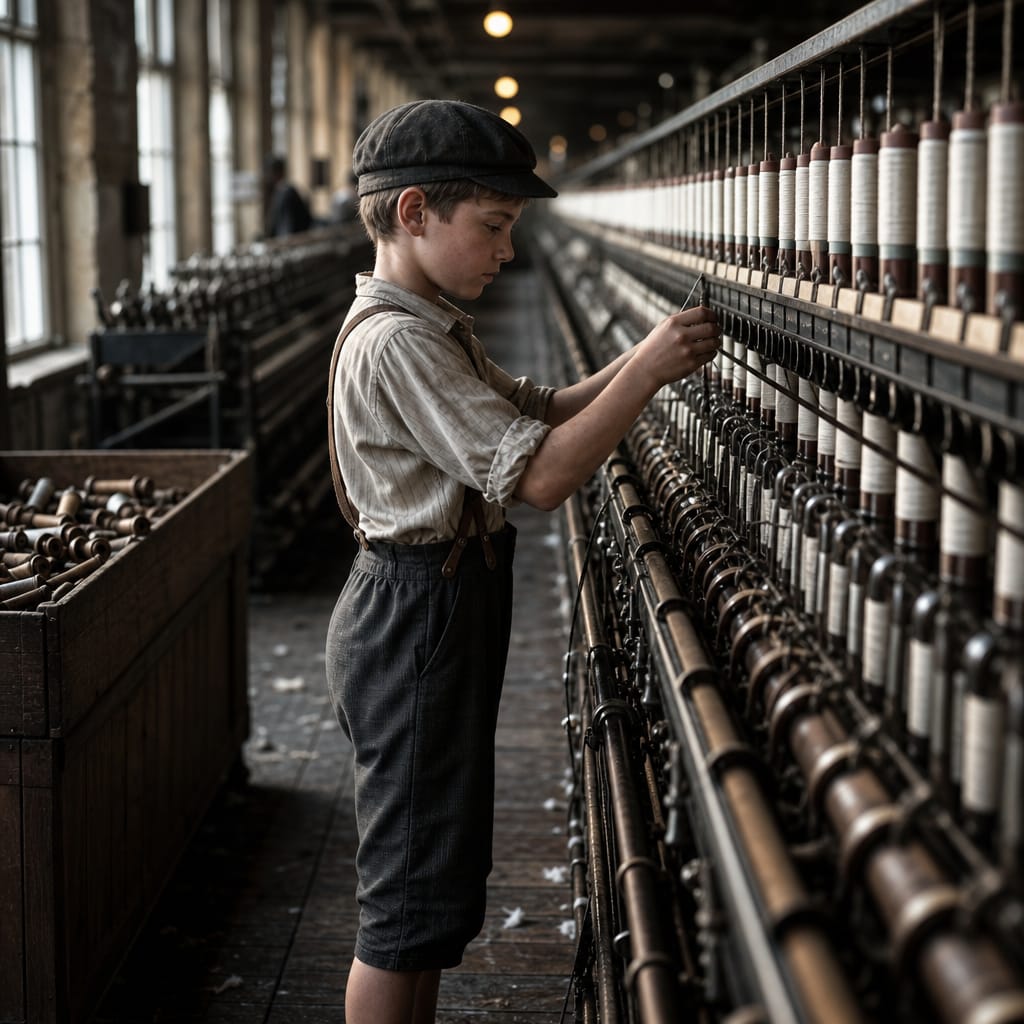


In 1923, a loaf of bread in Weimar Germany cost 200 billion marks. People were burning banknotes in their stoves because the wood was more valuable. And somewhere in the middle of all that? The paintings on the walls held their ground.
Not every painting, obviously. A tatty print from a market stall didn't suddenly become treasure. But works of genuine scarcity – things that existed in one place and could not be reproduced, legislated into existence, or run off a press overnight – turned out to have a strange stubbornness about them. While the currency dissolved, they stayed solid.
What a Painting Actually Is
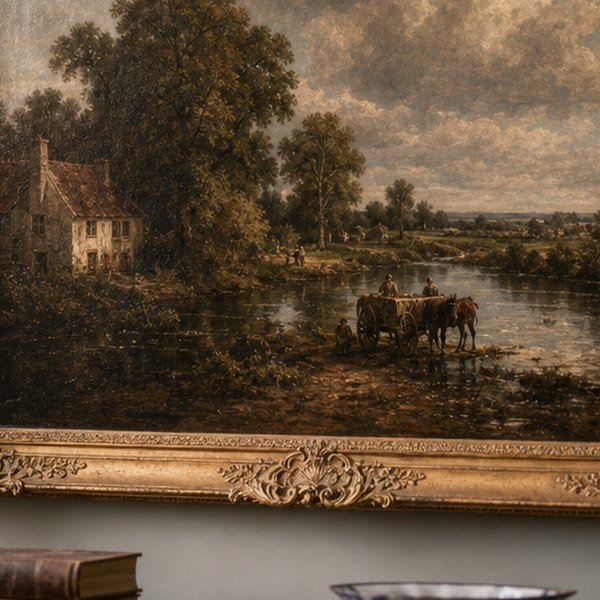
This is the thing about a painting that nobody ever quite explains. It's not an investment vehicle, it's not a commodity, it's not even a "store of value" in the clinical economic sense. It's just an object that exists exactly once. There are no more. A government short on cash can print more money. It cannot print more Constables.
Why Singularity Matters in Inflation
That singularity sounds like a small observation, but during inflationary periods it turns out to matter enormously. When money erodes – and it always erodes, the question is just how fast – people who are paying attention start converting paper into things. Whisky. Property. Jewellery. Art. The logic in each case is identical: this object can't be inflated away, because there's only one of it (or a fixed number), and because other people want it badly enough to trade real money for it. The 1970s stagflation era in Britain and the United States saw exactly this pattern repeat, with auction prices for significant works climbing sharply even as purchasing power was falling.
Is scarcity on its own enough to hold value?
None of this means art is a tidy or sensible financial strategy. The art market has its own baffling logic, its own fashions, its own capacity to crash. A painting that doubles in a decade is wonderful; a painting that sits in a spare bedroom for thirty years gaining nothing is not a pension plan. The mechanism only works when genuine scarcity meets genuine desire – which is why it applies to a Hockney and not to a limited-edition print with a run of five thousand.
The same mechanism shows up in entirely different material worlds too.
The Deeper Point
The deeper point is this: inflation is, at its core, a problem of multiplication. More units chasing the same goods. The defence against it has always been the same: find the thing that can't be multiplied. For hundreds of years, in financial crisis after financial crisis, the painting on the wall has been doing exactly that job. Quietly. Without anyone calling it a hedge or a strategy or an asset class.
It's just an object. That happens to exist only once. Which, in the right circumstances, is enough.
Questions this raises
- Does art actually beat inflation over the long run?
- Why did some artworks still lose value in hyperinflation?
- How do you buy art without losing everything to fees?