


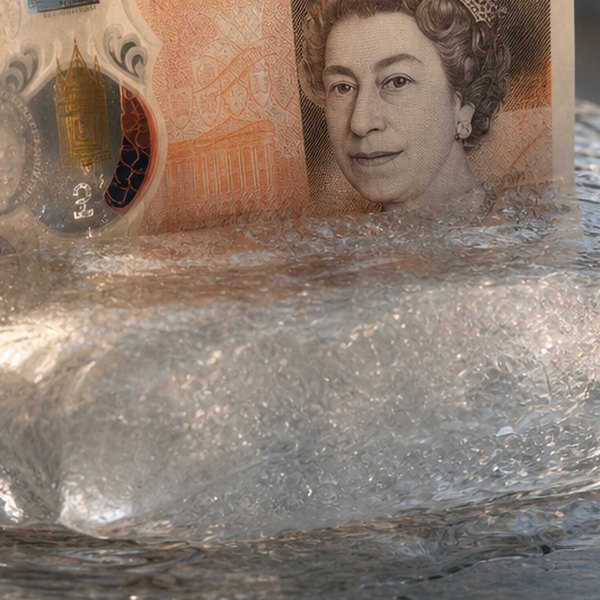
Pull a tenner out of your wallet and have a good look at it. Same polymer. Same king's face. Same number printed in the corner. And yet what you're actually holding is a smaller object than it was five years ago – because a pound is not really a fixed thing at all. It's more like an ice cube: it feels completely solid right up until the moment you notice it's shrunk.
Purchasing Power
This is what economists mean when they talk about purchasing power, and it's a slightly stranger idea than it first sounds. The number on the note doesn't change. The note doesn't age or discolour. But what it will fetch in the actual world gets quietly renegotiated every year, every month, every time a supply chain hiccups or an energy bill lands. A pound isn't a fact. It's more like an ongoing estimate.
Why does official inflation not match my own spending?
The melting, though, isn't even. That's the bit that catches people out. You've probably heard the general inflation figure quoted on the news – the headline rate that covers a big imaginary basket of goods. But your personal basket is different from everybody else's. If you rent, your housing costs are probably outrunning that headline number by a fair margin. If you travel by car, fuel has its own moods. And certain costs, particularly things like education, childcare and anything that needs a lot of skilled human hours to deliver, have historically run well ahead of general inflation for decades.
For a proper look at how this plays out in one particular corner of spending, The School Fee That Has Nothing To Do With School lays it out clearly.
Why Some Costs Gallop Ahead
The reason some costs gallop ahead is roughly this: automation and mass production can keep a lid on the price of manufactured things over time. The television you buy today is cheaper in real terms than one from fifteen years ago. But a lesson, a therapy session, a childminder's hour – none of that can be automated in the same way. The human time involved is the product. So as wages rise with inflation, and they must, those prices rise too, often faster than everything else in the basket.
Real Versus Nominal
This is where the "real" versus "nominal" distinction earns its keep. Nominal just means the number on the label. Real means that number adjusted for what everything else costs. A salary that's gone up five per cent sounds nice until inflation ran at seven, at which point you've had a pay cut without anyone changing a digit on your payslip. The ice cube shrank. The hand holding it just didn't notice.
The honest use of this idea isn't to make you anxious. It's just that once you see the pound as a thing that changes rather than a fixed unit, you read a lot of financial decisions differently. Savings sitting still aren't neutral. A static wage isn't holding ground. Even a price that looks the same as last year might have already moved.
Questions this raises
- How do you work out what a pound was worth before?
- Does holding cash always lose you money over time?
- Which assets actually keep pace with inflation?