
Forget brushwork. Forget whether you like it. The question that actually decides what a piece of art is worth on the open market isn't "is it good?" – it's "who had it before you?"
This is provenance, and it works less like a certificate of quality and more like a rumour that gathers weight as it travels. A canvas doesn't get better sat in a back room for thirty years. But if it sat in the back room of someone interesting – a Parisian dealer who handled Matisse, a deposed Italian count, a Hollywood actress with discerning taste – it picks up a kind of financial static that clings to it forever. The painting is the same. The paper trail changed.
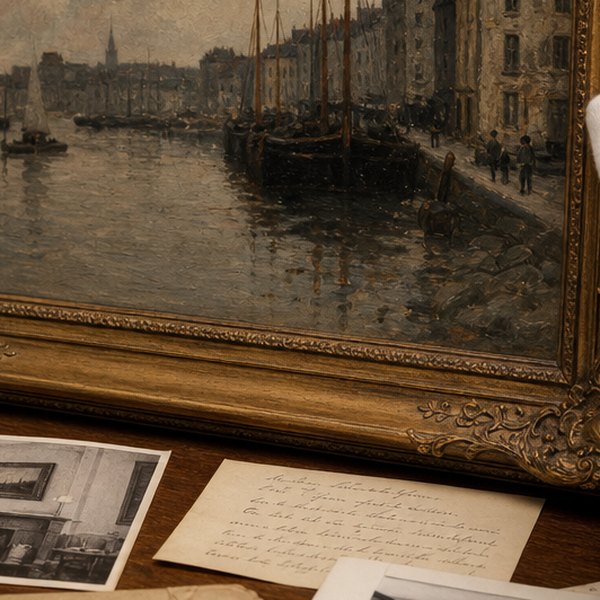
How do you check the provenance of a painting?
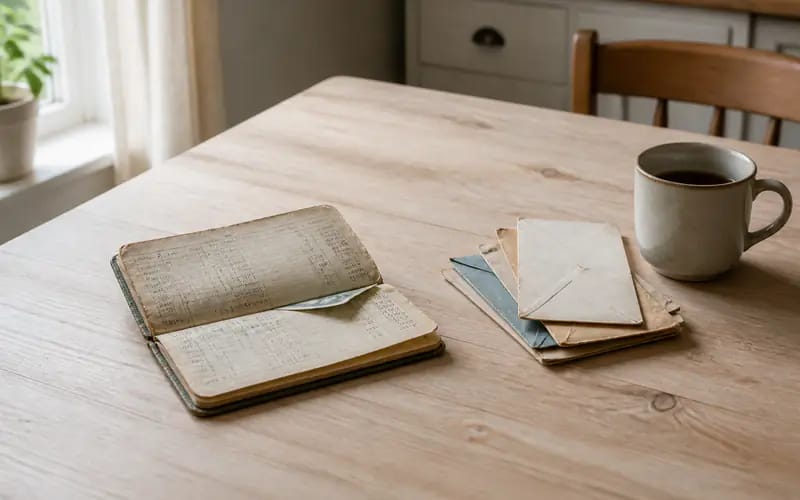
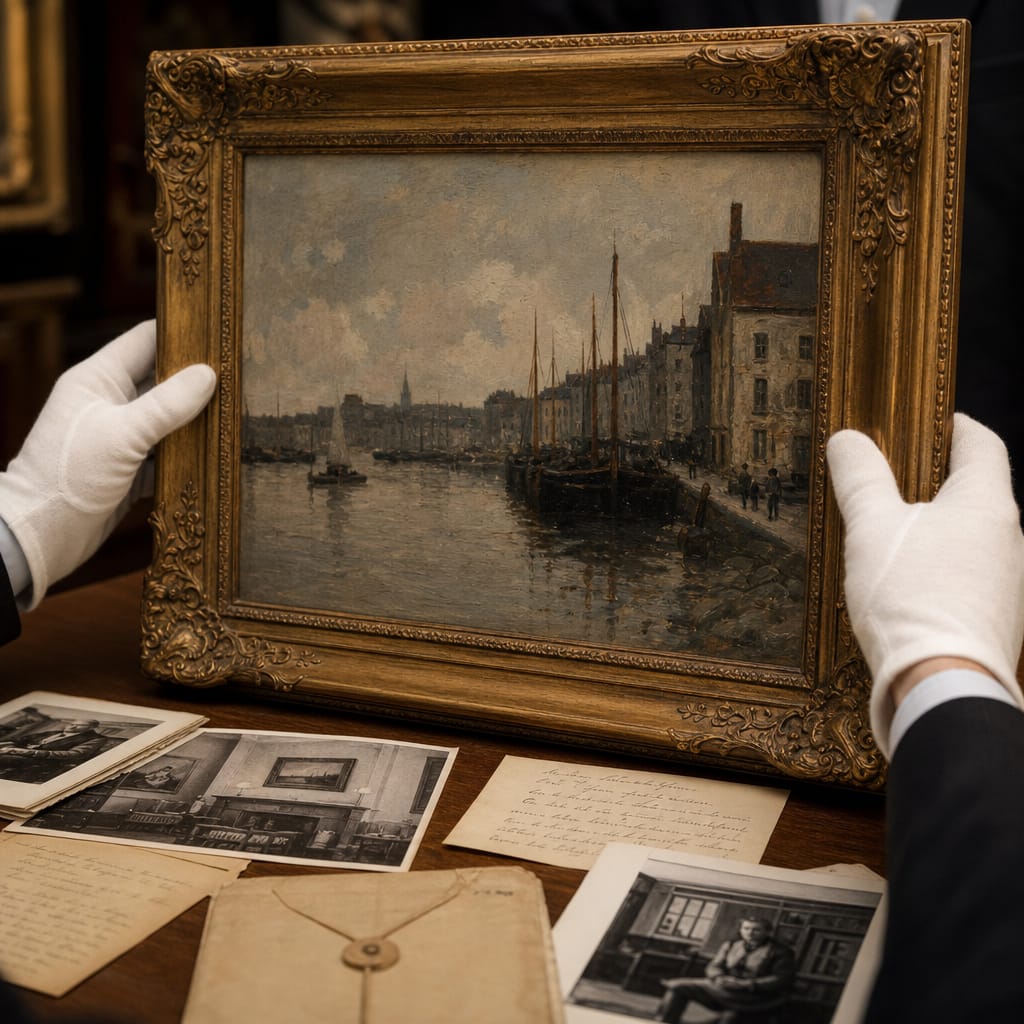
The paper trail itself is genuinely fascinating and somewhat alarming in equal measure. Auction house records, exhibition catalogues, estate inventories, old letters mentioning "the small oil of a harbour scene" – all of these get stitched together into a document called the provenance record. Collectors and dealers treat a clean, continuous record the way a mortgage lender treats a clean credit history.
Any gap – say, a chunk of the mid-twentieth century with no documentation – and eyebrows go up. That's when a lot of European art was looted, smuggled or quietly sold under duress. Gaps don't necessarily mean something sinister, but they do mean uncertainty, and uncertainty is the enemy of money.
What this means in practice is stark: two almost identical paintings by the same artist can sell at wildly different prices at the same auction simply because one has better paperwork. Not better pigment, not better composition. Better paperwork.
When cultural crossovers rewrite the record
Here's something that follows naturally from all this. The art of traditions that were overlooked by Western markets for decades – African modernism, Latin American surrealism, work coming out of cultural crossover scenes nobody was paying attention to at the time – often has thin or informal provenance. Simply because the infrastructure for documenting it didn't exist in the same way.
As those traditions get rediscovered, the scramble to reconstruct provenance becomes part of the story itself. The thing hadn't changed. The attention had.
So is art actually a good investment?
The honest answer is: it depends almost entirely on things that have nothing to do with the art. Whether you can document your ownership clearly. Whether the artist's reputation is being actively maintained or reconstructed by estates and institutions. Whether you happen to be holding something when the cultural mood shifts in its favour – none of that is about the object on your wall. It's paperwork and timing all the way down.
For most people buying art because they love something, that's all fine – the wall doesn't care about provenance. But as an investment, you're essentially betting on rumours. The good news is that rumours, sometimes, turn out to be true.
Questions this raises
- Can auction houses spot a forged ownership trail?
- Does a gap in the paper trail wreck a sale?
- Why do wartime ownership gaps matter so much?