

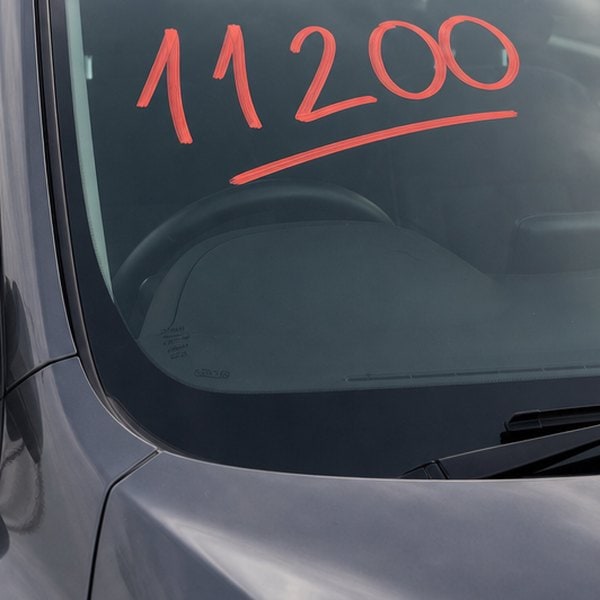
Walk onto any used car forecourt and the figure in the corner of that windscreen is presented like a fact. A done thing. It sits there in bold red marker with the same confidence as a tax bill or a parking fine. But it isn't a fact at all. It's an opening line in a conversation, and the dealer already knows how it ends. The buyer, usually, does not.
Understanding why changes everything.
The Margin Built Into the Screen Price
Every used car on a forecourt has margin built into it – not a little, quite a lot. A dealer buying a three-year-old hatchback at auction for £8,500 and ticketing it at £11,200 isn't being greedy. That's just how the model works. There are overheads, prep costs, warranty, commission. But it also means there is room. The question is how much room, and when the dealer is most likely to give it up.
This is where timing comes in, and it's the thing most buyers never think about.
When in the month are dealers most willing to deal?
Car dealerships run on monthly and quarterly targets. Salespeople have them. The dealership has them. Manufacturers attach bonuses to them. A salesperson who needs two more sales to hit their number on the 28th of the month is in a completely different mood to the same person on the 3rd with a month ahead of them and nothing riding on the next handshake. Same car, same sticker, different conversation. End of March, June, September and December – the ends of quarters – apply even more pressure, and deals get done at those moments that simply wouldn't happen a fortnight earlier.
Ageing Stock Costs the Dealer
Then there's ageing stock. A car that's been on the forecourt for sixty or seventy days is costing the dealer money in floorplan finance (that's what they call the interest on stock they've borrowed to pay for). A car that arrived last Tuesday is not. You can't always tell by looking, but you can ask how long it's been in. If the answer is vague, that usually means a while.
How to Actually Negotiate
When you do negotiate, the mechanics matter. Never start from the asking price and chip away – start from what the car is actually worth to you and work up if you have to. Check similar cars on AutoTrader so you know what the market looks like and you're not guessing. Make your offer concrete and calm, not apologetic. Dealers are not offended by a lower offer; they hear them constantly. What they find hard to resist is a buyer who has clearly done their homework, is ready to commit today, and is paying cash or has finance arranged elsewhere (which means the dealer loses the finance commission but gains certainty – sometimes that trade-off works in your favour).
One last thing: a car with minor cosmetic issues – a scuff on the sill, a small scratch on the bumper – gives you something visible to point at. It makes the negotiation feel justified rather than arbitrary, and that matters psychologically to everyone in the room.
The bold red number in the window is where the conversation starts. It was never where it was going to end.
Questions this raises
- How much can you realistically knock off a screen price?
- Should you negotiate the price or the monthly payment?
- Does part-exchanging weaken your position on the price?